
Collaborative Robots (Cobots): Revolutionizing Modern Industry
Time:
2025-04-09 09:48


Introduction
The Fourth Industrial Revolution has ushered in an era of intelligent automation, transforming manufacturing processes with unprecedented efficiency, precision, and adaptability. At the forefront of this transformation are collaborative robots, or cobots, designed to work seamlessly alongside human operators. As a leading industrial robotics manufacturer, [Your Company Name] is committed to delivering cutting-edge cobot solutions that empower businesses to optimize productivity, enhance workplace safety, and stay competitive in a rapidly evolving global market.
This article explores the fundamentals of collaborative robotics, their unique advantages over traditional industrial robots, and their diverse applications across industries.
What Are Collaborative Robots?
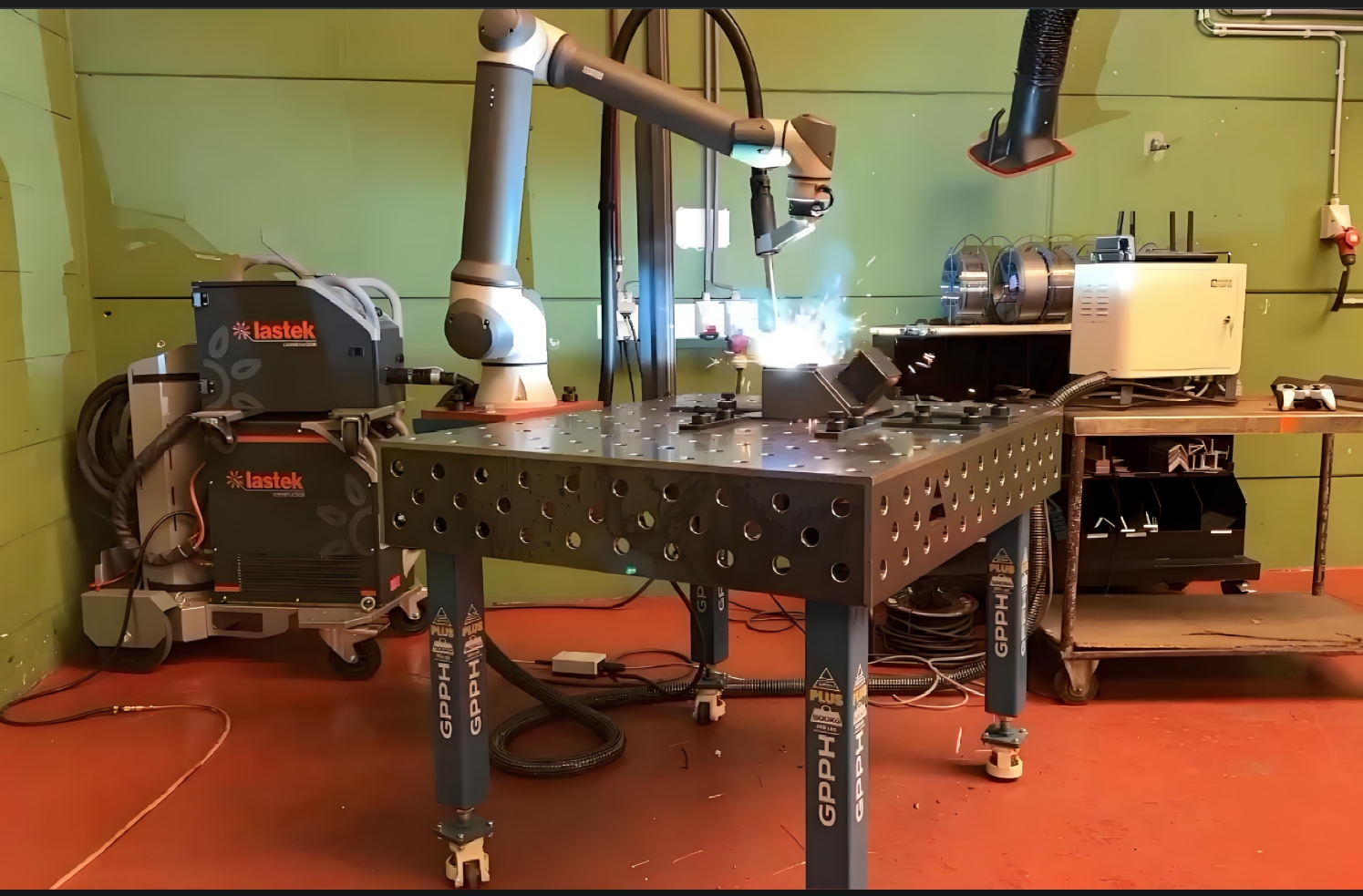
Collaborative robots are advanced robotic systems engineered to operate in shared workspaces with humans, combining the strengths of human creativity and machine precision. Unlike conventional industrial robots confined to safety cages, cobots employ sophisticated sensors, vision systems, and adaptive controls to ensure safe, flexible, and efficient collaboration.
Key features that define cobots include:
Intrinsic Safety: Built-in force/torque sensors, collision detection, and speed restrictions enable cobots to halt operations instantly upon contact with humans or unexpected obstacles.
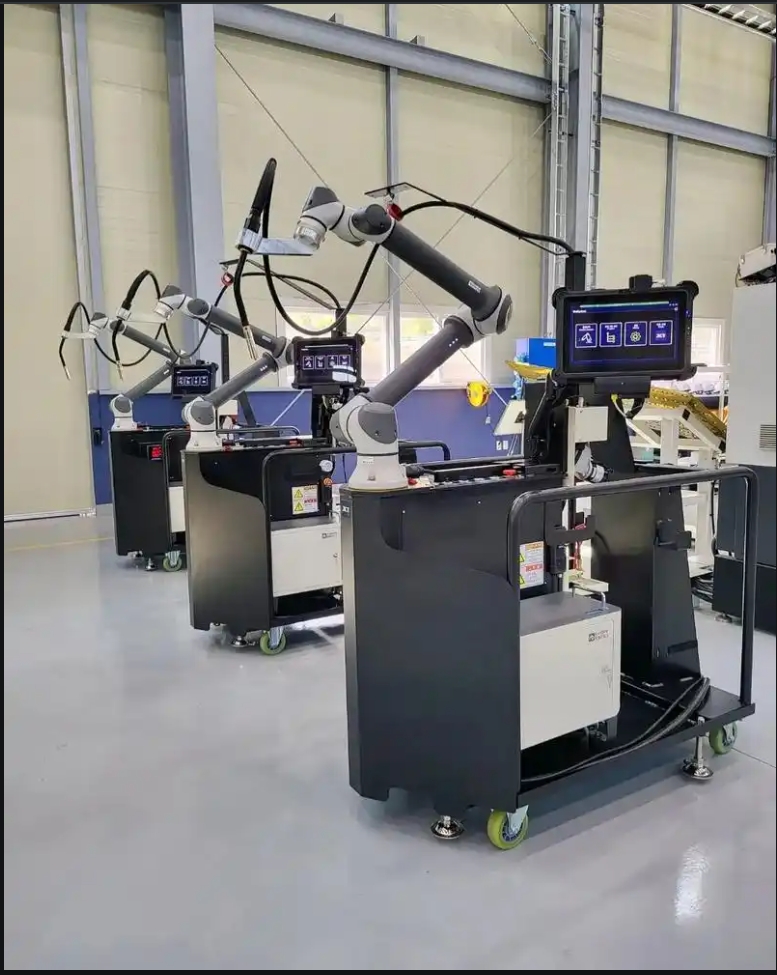
Ease of Integration: Lightweight designs and user-friendly interfaces allow rapid deployment without extensive infrastructure changes.
Adaptive Workflows: Cobots can be reprogrammed quickly for new tasks, making them ideal for high-mix, low-volume production environments.
Cost-Effectiveness: Lower upfront costs and reduced downtime translate to faster ROI compared to traditional automation.
Compliant with international safety standards such as ISO 10218 and ISO/TS 15066, cobots represent a paradigm shift in human-robot interaction.
Core Technologies Behind Collaborative Robots
[Your Company Name]’s cobots integrate state-of-the-art technologies to deliver performance and reliability:
1. Advanced Sensing Systems
Force-Torque Sensors: Detect minute changes in resistance, enabling delicate tasks like precision assembly or handling fragile materials.
3D Vision Systems: Equipped with depth-sensing cameras and AI-powered object recognition for real-time spatial awareness.
LiDAR and Proximity Sensors: Monitor surroundings to maintain safe distances from human operators.
2. Intuitive Programming Interfaces
Drag-and-Drop Teach Pendants: Simplify task programming without requiring coding expertise.
Hand-Guiding: Operators physically guide the cobot through motions, which the system memorizes for repeatable workflows.
Cloud-Based Platforms: Enable remote monitoring, predictive maintenance, and over-the-air software updates.
3. Modular Design
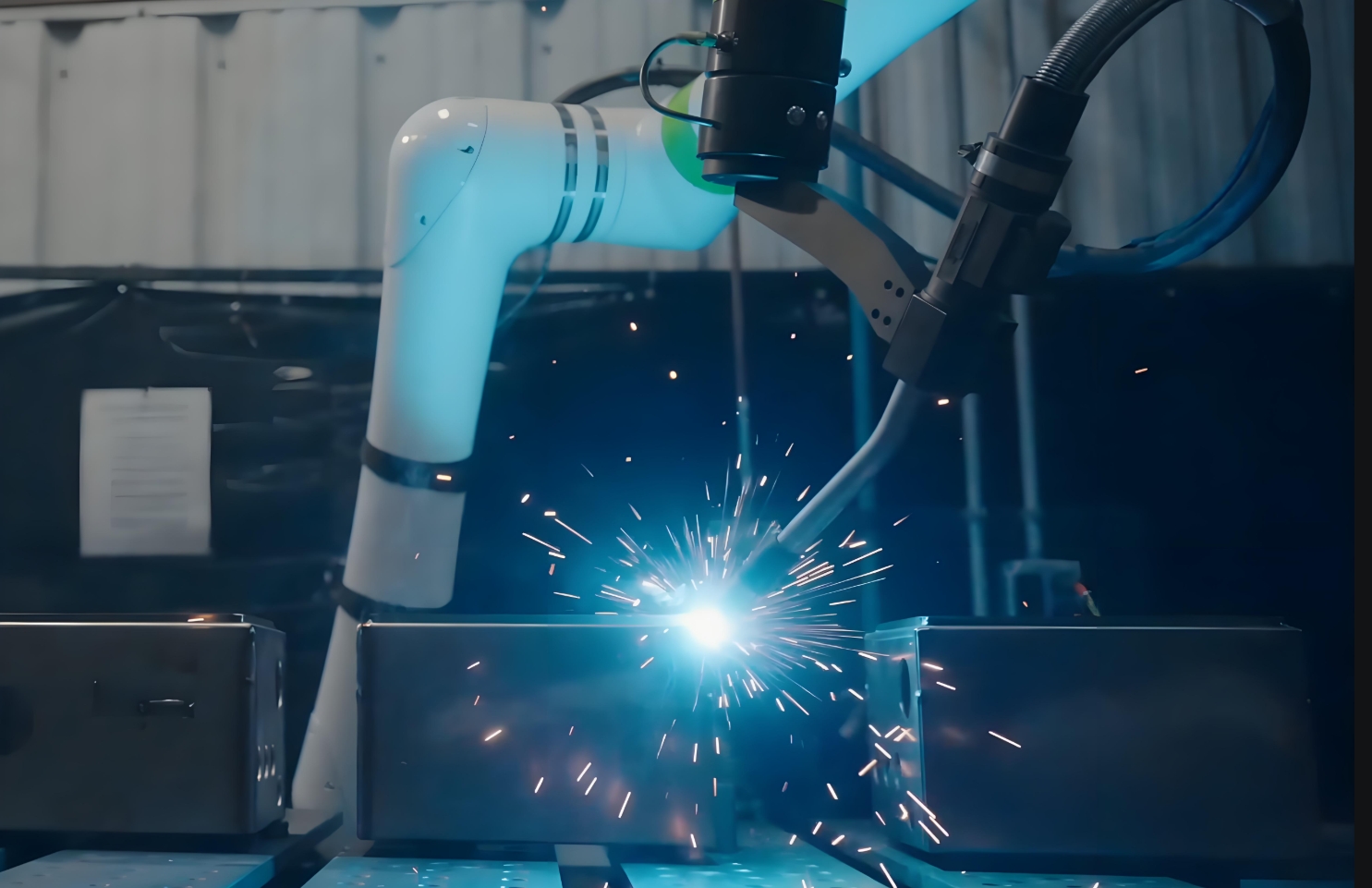
Interchangeable End Effectors: Quick-swap grippers, suction cups, or specialized tools (e.g., welding torches) allow multi-functional use.
Scalable Payloads: Models range from 3 kg to 20 kg payload capacities to suit diverse applications.
Applications of Collaborative Robots
Cobots are revolutionizing industries by addressing labor shortages, reducing ergonomic risks, and improving process consistency. Below are key use cases:
1. Assembly and Quality Control
Electronics Manufacturing: Cobots perform micro-screw driving, PCB testing, and component placement with sub-millimeter accuracy.
Automotive: Collaborative systems handle intricate tasks like wire harness assembly or dashboard installations.
2. Material Handling
Machine Tending: Loading/unloading CNC machines, injection molders, or presses with 24/7 reliability.
Packaging and Palletizing: Customizable workflows for sorting, labeling, and stacking products.
3. Welding and Surface Treatment
Arc Welding: Compact cobots equipped with welding torches execute precise seams in confined spaces.
Polishing and Deburring: Adaptive force control ensures consistent surface finishes on complex geometries.
4. Healthcare and Laboratories
Pharmaceuticals: Cobots manage vial filling, sample sorting, and lab equipment sterilization.
Medical Device Assembly: Sterile-environment compliant models handle sensitive components.
5. Food and Beverage
Hybrid Workcells: Hygienic cobots with IP67-rated arms work alongside humans for tasks like ingredient mixing or packaging.
Advantages of Choosing [Your Company Name] Cobots
Enhanced Productivity: Reduce cycle times by 30–50% while maintaining peak accuracy.
Ergonomic Benefits: Minimize repetitive strain injuries by automating physically demanding tasks.
Space Efficiency: Compact footprints (as low as 0.2 m²) maximize floor space utilization.
Scalability: Seamlessly integrate cobots into existing production lines or deploy them as standalone units.
Sustainability: Energy-efficient designs lower operational costs and carbon footprints.
The Future of Collaborative Robotics
Emerging trends are set to expand cobot capabilities further:
AI-Driven Autonomy: Machine learning algorithms will enable cobots to self-optimize workflows and predict maintenance needs.
Swarm Robotics: Multi-cobot systems will collaborate on complex tasks via decentralized decision-making.
5G Connectivity: Ultra-low latency communication will support real-time remote control and data analytics.
Human Augmentation: Exoskeleton-integrated cobots will assist workers in heavy lifting or precision tasks.
Conclusion
Collaborative robots are no longer a futuristic concept—they are a present-day necessity for industries striving to balance flexibility, efficiency, and workforce well-being. [Your Company Name] remains at the vanguard of this technological evolution, offering robust, intelligent cobot solutions tailored to meet the dynamic demands of modern manufacturing.
By embracing cobot technology, businesses can unlock new levels of operational excellence, foster innovation, and build resilient production ecosystems ready for the challenges of tomorrow.
Collaborative,Welding,Robot,,Cobot,Welding,System,,Robotic,Arc,Welding,Solutions,,Automated,Cobot,Welding,Portable,Welding,Cobot,Cobot,Welding,Technology,Collaborative,Robot,Welding,Applications,Precision,Welding,Cobot,Powered,Welding,Cobots
BLOG
Phone:
WhatsApp:
Email:
图片alt标题设置: noahso
表单验证提示文本: Content cannot be empty!
循环体没有内容时: Sorry,no matching items were found.
CSS / JS 文件放置地